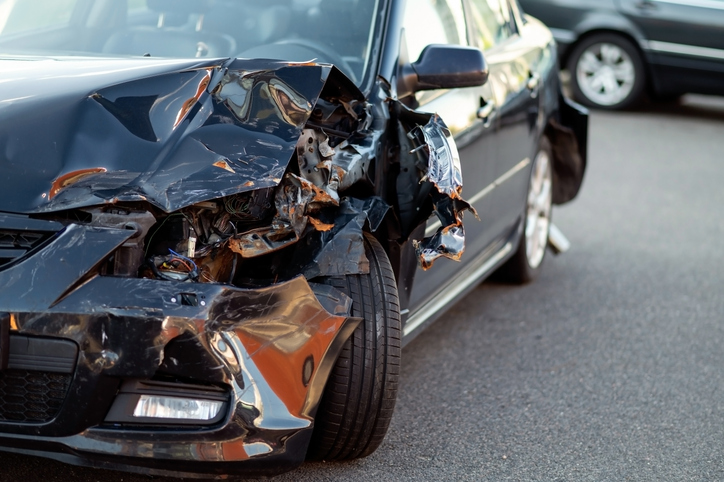
The sun was setting over I-25, casting long shadows across the highway. Rush hour traffic had just started to thin. A driver glanced down—just for a second—to change the radio station.
That single moment of distraction ended one life and irrevocably changed another.
This isn’t fiction. It’s a scenario that plays out across Colorado roads with devastating regularity. And when tragedy strikes, the legal system responds with vehicular manslaughter charges that can transform an accident into a criminal case carrying prison time, financial ruin, and a lifetime of guilt.
The gap between “accident” and “crime” is thinner than most people realize.
The Weight of Unintended Consequences
Vehicular manslaughter occupies a unique and painful space in criminal law. Unlike premeditated crimes, these cases typically involve ordinary people who never intended to hurt anyone. Yet Colorado law holds drivers accountable when negligence or recklessness behind the wheel results in death.
According to the Colorado Department of Transportation, there were 745 traffic fatalities in Colorado in 2023 alone. While not all result in criminal charges, a significant number lead to prosecutions under Colorado Revised Statutes § 18-3-106, which defines vehicular homicide.
The statute recognizes different levels of culpability:
Vehicular Homicide – Reckless Driving
When a driver operates a vehicle recklessly and causes a death, it’s prosecuted as a Class 4 felony. “Reckless” means consciously disregarding a substantial and unjustifiable risk—like excessive speeding in a school zone or aggressive weaving through traffic.
The Colorado Judicial Branch reports that Class 4 felony vehicular homicide carries 2 to 6 years in prison, with mandatory parole upon release.
Vehicular Homicide – DUI
Operating a vehicle while impaired and causing a death elevates the charge significantly. This is typically prosecuted as a Class 3 felony, carrying 4 to 12 years in prison under Colorado sentencing guidelines established by the Colorado Commission on Criminal and Juvenile Justice.
Colorado takes DUI-related deaths seriously. Even first-time offenders face harsh penalties when alcohol or drugs are involved in a fatal crash.
Vehicular Homicide – Negligence
When death results from criminally negligent driving—failing to perceive a risk that a reasonable person would have recognized—it’s typically charged as a Class 5 felony, carrying 1 to 3 years in prison.
This is where distracted driving cases often fall. The driver who looked at their phone, the parent who turned around to check on a child in the backseat, or the exhausted worker who nodded off at the wheel.
The Prosecution’s Burden: Proving More Than Just an Accident
What separates a tragic accident from a criminal conviction? The answer lies in proving culpability beyond a reasonable doubt.
Prosecutors must establish that the defendant’s conduct rose above ordinary negligence—the type covered by civil lawsuits—into criminal territory. This often involves reconstructing the accident using:
- Crash reconstruction experts who analyze skid marks, impact angles, and vehicle damage
- Toxicology reports from blood alcohol or drug testing
- Cell phone records that reveal whether the driver was texting or talking
- Witness testimony about driving behavior leading up to the crash
- Black box data from modern vehicles that record speed, braking, and other metrics
The National Highway Traffic Safety Administration (NHTSA) provides standardized crash investigation protocols that Colorado law enforcement agencies follow. Even minor inconsistencies in these investigations can become the foundation of a defense strategy.
What Makes These Cases Different—and More Complex
Unlike most criminal cases, vehicular manslaughter defendants are rarely “criminals” in the traditional sense. They’re teachers, construction workers, nurses, and parents. They have clean records. They’re devastated by what happened.
This creates unique challenges both for prosecution and defense:
The Human Element
Juries struggle with these cases. They see themselves in the defendant—because distracted driving, speeding, and even driving tired are behaviors many people have engaged in without consequence.
But they also see the victim’s family sitting in the courtroom, seeking justice for an irreplaceable loss.
The Evidence Gap
Unlike intentional crimes, vehicular manslaughter cases depend heavily on forensic reconstruction. What seems obvious at first—”the driver was going too fast”—must be proven with precision measurements, calculations, and expert testimony.
Defense attorneys who understand accident reconstruction can identify errors in methodology, challenge assumptions, and expose reasonable doubt.
The Collateral Consequences
Even if a defendant avoids prison time, a vehicular manslaughter conviction carries devastating collateral consequences:
- Permanent felony record affecting employment, housing, and civil rights
- License revocation under Colorado DMV regulations, often for years
- Civil liability with wrongful death lawsuits typically following criminal cases
- Immigration consequences for non-citizens, potentially including deportation under federal immigration law
These aren’t just legal technicalities—they’re life-altering realities that extend far beyond the courtroom.
Common Defense Strategies That Can Make the Difference
Every case is different, but experienced defense attorneys often pursue several key strategies:
Challenging Causation
Did the defendant’s conduct actually cause the death, or were other factors involved? Pre-existing medical conditions, another driver’s actions, road defects, or mechanical failures can all break the chain of causation.
Disputing Recklessness or Negligence
The prosecution must prove the defendant’s mental state met the legal standard. Was the driver truly “reckless,” or did they simply make an error in judgment? The distinction matters enormously in Colorado law.
Attacking the Investigation
Police and reconstruction experts are human. They make mistakes. Field sobriety tests can be administered incorrectly. Blood draws can be contaminated. Measurements can be inaccurate. A thorough defense investigation often uncovers errors that create reasonable doubt.
Negotiating Alternative Resolutions
In some cases, the best outcome isn’t an acquittal—it’s avoiding the harshest penalties through skillful negotiation. Reducing charges, securing probation instead of prison, or participating in restorative justice programs can preserve the defendant’s future while acknowledging the tragedy.
The Emotional Burden No One Talks About
Beyond the legal consequences, defendants in vehicular manslaughter cases carry profound psychological trauma. Many experience PTSD, depression, and survivor’s guilt according to mental health research from the American Psychological Association.
The criminal justice system rarely addresses this reality. Defendants are expected to participate in their defense while processing grief, guilt, and fear. Family relationships strain under the weight of legal uncertainty and financial pressure.
This is why early intervention matters—not just legal representation, but comprehensive support that recognizes the human being behind the charge.
Why Experience Matters in These Cases
Vehicular manslaughter defense isn’t about legal technicalities. It’s about understanding human behavior, accident reconstruction science, Colorado’s complex traffic laws, and how to tell a complete story to a jury.
It requires an attorney who can:
- Work with forensic experts to challenge the prosecution’s reconstruction
- Identify Fourth Amendment violations in traffic stops and searches
- Navigate the intersection of criminal and civil liability
- Communicate effectively with prosecutors who may be sympathetic to negotiation
- Present the defendant as a whole person—not just the worst moment of their life
Colorado defendants facing these charges need representation that understands both the legal complexities and the human stakes. An experienced Denver Vehicular Manslaughter Defense Lawyer can make the difference between a conviction that destroys a life and an outcome that allows for healing and moving forward.
The Path Forward
The moments after a fatal accident are chaotic. Police arrive, questions are asked, and often arrests are made before anyone fully understands what happened. In that fog of confusion and grief, critical decisions get made that shape the entire case.
This is why immediate legal representation is essential. Evidence degrades. Witnesses’ memories fade. Physical evidence at the crash scene disappears. The sooner a defense investigation begins, the stronger the case becomes.
If you or someone you care about is facing vehicular manslaughter charges in Colorado, time is not on your side. The prosecution is already building its case. They have the resources of law enforcement, crime labs, and investigators working for them.
You deserve the same level of committed advocacy.
Because while the law may see a case number, you’re still a person—one who made a terrible mistake, but who deserves a chance to tell the full story and fight for their future.
The legal system can’t undo what happened on that Colorado highway. But with the right defense, it doesn’t have to define the rest of your life either.